Quick Equipment Glass Maximize Uptime
Defining the Job of an Arborist: Important Services for Tree Vitality and Upkeep
An arborist is essential for preserving tree well-being and longevity. These experts utilize specialized expertise to examine trees and create tailored care plans. This encompasses trimming, diagnosing diseases, and controlling soil conditions. Tree care professionals play a significant role in promoting sustainable tree growth. Their expertise not only enhances the aesthetic value of landscapes but also maintains ecological equilibrium. Understanding their key services can highlight the significant impact they have on urban and rural environments equally.
The Importance of Arborists in Tree Management
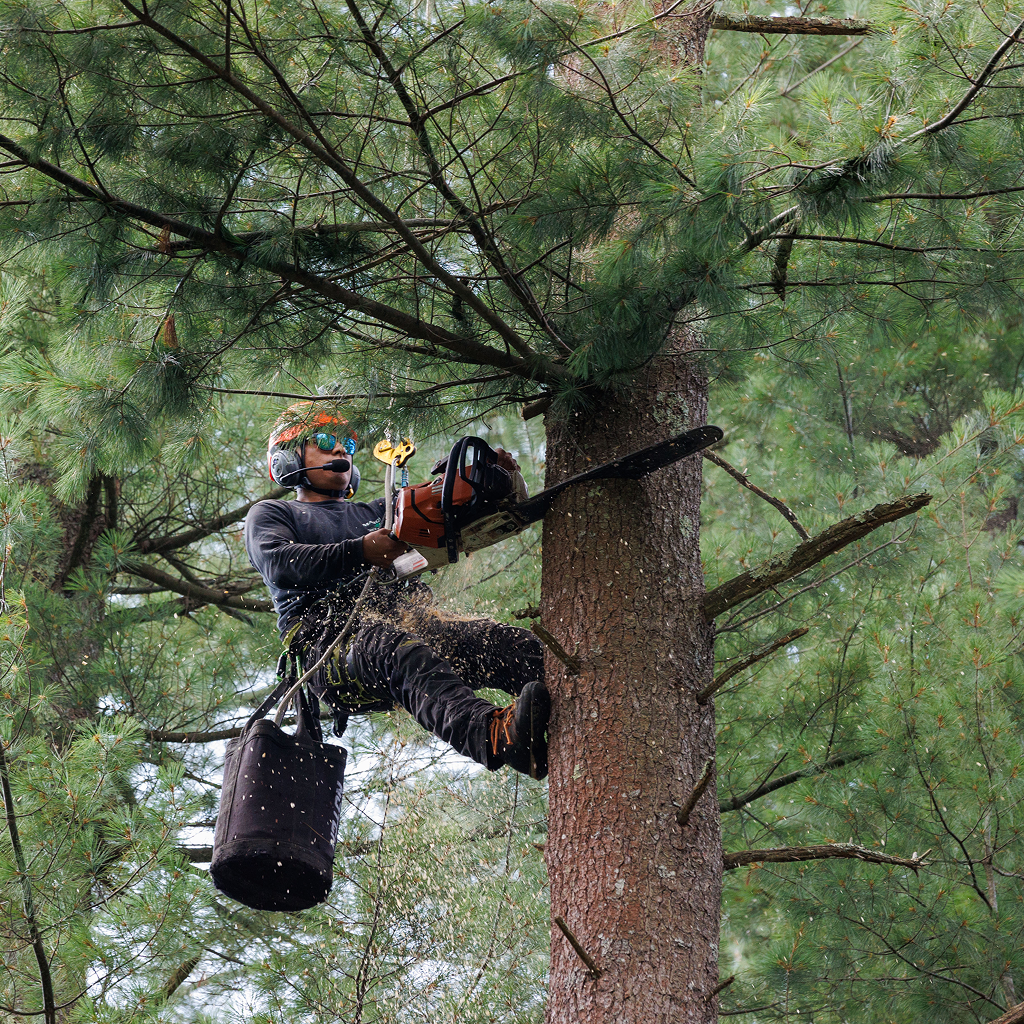
Even though many residents may underestimate the role of arborists, their knowledge is essential for sustaining tree vitality and longevity. Arborists are certified experts who are dedicated to the health and management of trees. They possess in-depth knowledge of tree life science, diseases, and environmental elements affecting growth. By assessing tree health, arborists can identify potential concerns, such as pest infestations to nutrient deficiencies.
Their services encompass a number of essential tasks, including soil care, tree assessments, and comprehensive maintenance plans. Tree care experts also play a major role in ensuring trees are placed in correct locations, taking into account factors such as sunlight, drainage, and space for development. Their advice allows homeowners make informed choices that encourage sustainable tree development. By utilizing arborist care, homeowners not only improve the beauty of their landscapes but also aid the ecological well-being of their environment, ensuring trees flourish for future generations.
Key Tree Pruning Practices
Effective tree pruning techniques are crucial for maintaining healthy and robust trees. Arborists use various techniques to improve tree structure, stimulate growth, and eliminate dead or diseased branches. One essential technique is crown reduction, which means carefully removing branches to improve light penetration and air circulation. One other key practice is crown raising, where the bottom limbs are trimmed to enhance passage and sightlines. Additionally, the practice of crown trimming decreases the overall mass of a tree’s canopy, lessening pressure while maintaining its shape.
It is also vital to time the work; cutting back is generally most effective during dormancy in the period between late winter and early spring. This reduces the loss of sap and encourages healthy growth. Arborists recommend using clean, sharp instruments to ensure accurate cuts, which aids in preventing harm to the tree. In the end, these crucial methods not only improve aesthetic appeal but also significantly impact the tree's total vitality and longevity.
How to Plant and Transplant Trees

When considering the establishment of new trees, correct methods for planting and moving trees are crucial to secure their successful growth and integration into the landscape. Arborists highlight the need for picking the appropriate variety for the site conditions, as well as preparing the planting hole correctly. The hole must be sufficiently broad to allow space for the roots, facilitating natural root spread and aeration
When transplanting, it is necessary to be careful to limit damage to the root system, which can hinder a tree's ability to take hold in the new location. Arborists suggest relocating trees during the dormant season to lower the impact on the tree
(Florence Arborist)After planting or relocation, proper watering and mulching are essential to support the tree's settling in. Arborists also recommend tracking the tree’s growth and modifying maintenance routines as needed to guarantee a healthy shift into the surrounding environment, thereby leading to a healthy setting
Identifying Tree Illnesses and Infestations
What is the best way to recognize the indicators of tree maladies and insects? Arborists utilize a keen understanding of dendrology and surrounding influences to diagnose these issues. Symptoms such as discolored leaves, lack of vigor, or leaves falling too soon usually point to deeper troubles. In addition, the existence of abnormal formations, such as abnormal swellings, can signal infections or insect activity.
Arborists also check the outer layer for lesions, holes, or sawdust-like material, which could imply pest presence. Analyzing the soil and the immediate surroundings assists in pinpointing stress factors like inadequate drainage or lack of nutrients. Understanding seasonal cycles is essential, because some pests show up at certain periods.
Tree Condition Reports and Care Programs

Which methods can be utilized to ensure optimal tree health? Arborists often begin with comprehensive tree health evaluations, which involve a detailed examination of the tree's overall state, including its framework, leaves, and root structure. This assessment helps identify potential concerns such as illnesses, insects, or environmental pressures. Once the inspection is complete, a customized care plan is developed, tackling unique necessities
Typical elements of these programs include proper watering schedules, feeding strategies, and cutting methods to optimize growth and durability - Florence Arborist. In addition, experts often advise mulching and soil management to improve nutrient availability and moisture retention. Routine checking is vital, enabling changes to the maintenance plan when circumstances shift. By implementing these strategies, the well-being and lifespan of trees can be greatly improved, making sure they flourish in their habitat while contributing to the entire ecosystem
The Function of Tree Specialists in City Tree Management
Arborists are vital in managing city trees by overseeing and preserving the health of trees within city landscapes. The skills they possess greatly enhance to the environmental balance and beauty of urban areas. Arborists engage in tree planting, guaranteeing the right species are chosen based on local conditions and city development requirements. Arborists carry out frequent health checks to identify diseases, pests, and structural issues, implementing targeted treatments to improve the trees' condition.
Moreover, arborists formulate and carry out care strategies covering cutting, nutrient application, and irrigation, optimizing tree growth and longevity. material They further instruct the public on why trees matter and correct maintenance techniques. Through cooperation with urban developers and environmental organizations, arborists contribute to sustainable urban development, fostering biological diversity and improving air quality. Their efforts are vital in creating green spaces which help both inhabitants and the environment, ultimately fostering healthier urban ecosystems.
Questions and Answers
How Do I Search For a Certified Arborist in My Area?
If you want to find a certified arborist in the local area, it is advisable to check online listings, ask at local gardening centers, or get in touch with tree care groups. It is vital to check their qualifications and read reviews to ensure excellent results.
What Qualifications Should I Look for in an Arborist?
If you are hiring an arborist, it is important to find certifications including ISA or ASCA, relevant experience, proper insurance, and a solid reputation via testimonials. These credentials guarantee professionalism and knowledge in tree care and upkeep.
Is There a Best Time for Tree Pruning?
Tree pruning is most effective during the end of winter or the beginning of spring when trees are inactive. However, some species benefit from summer pruning. The right time hinges on the tree type and individual growing habits to promote health and shape.
What is the Typical Cost of Arborist Services Typically Cost?
The average price for arborist work is between $300 and $1,500, influenced by things like tree size, location, and the scope of the job - Florence Arborist. Costs can fluctuate significantly based on local market needs and service provider experience
Am I Able to Do Tree Work Without Professional Help?
Absolutely, you can manage basic tree care without professional help, for example watering and mulching. However, for difficult jobs, like pruning or identifying illnesses, seeking advice from a professional arborist is best to ensure the tree's vitality.